
Negative thinking patterns and emotional toxicity is rampant among the professionals today.
Mind toxicity, or toxic thinking, is a pervasive state of negative, self-defeating thought patterns that can significantly impact a person’s mental and emotional well-being. It’s a metaphorical term describing a mind cluttered with harmful beliefs, anxieties, and unhelpful narratives. Unlike a one-off bad mood, mind toxicity represents a persistent and damaging mental habit.
Effects of negative emotions and how Mind Toxicity Develops
Understanding Mind Toxicity and Its Impact
Mind toxicity is a gradual process, not an overnight event. It often stems from a combination of internal and external factors.
- Internal Factors:
- Cognitive Distortions: These are irrational thought patterns that distort a person’s perception of reality. Examples include all-or-nothing thinking (viewing things in extremes), catastrophizing (assuming the worst-case scenario), and personalization (taking everything personally).
- Negative Self-Talk: A continuous inner monologue of criticism, self-doubt, and inadequacy can erode self-worth over time.
- Unresolved Trauma: Past traumatic experiences can leave a lasting imprint, leading to chronic anxiety, fear, and a pessimistic outlook.
- External Factors:
- Toxic Environments: Being in a workplace, family, or social circle with constant criticism, negativity, and conflict can poison a person’s mindset.
- Social Media: The curated, often unrealistic, portrayals of others’ lives on social media can fuel comparison, envy, and a sense of inadequacy.
- Chronic Stress: Long-term exposure to stress can rewire the brain, making it more prone to a “fight-or-flight” response and negative thinking.
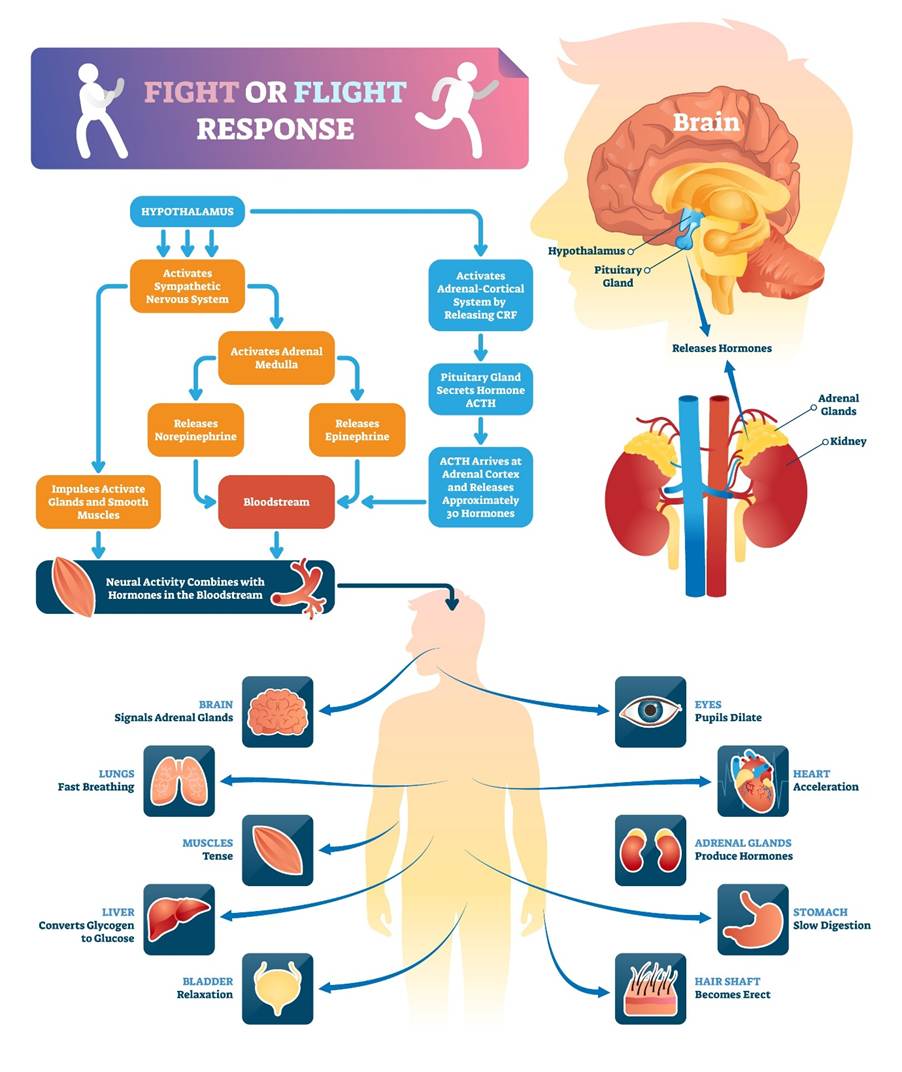
Licensed by Google
Symptoms of Mind Toxicity in 3 Domains
The signs of a toxic mind can manifest in various ways, affecting both a person’s thoughts and behaviors.

- Mental & Emotional Symptoms:
- Chronic worry and anxiety.
- Persistent feelings of guilt, shame, or unworthiness.
- Difficulty concentrating or making decisions.
- A cynical or pessimistic outlook on life.
- Emotional numbness or irritability.
- Behavioral Symptoms:
- Avoiding social situations or withdrawing from others.
- Procrastination and a lack of motivation.
- Perfectionism and an inability to accept mistakes.
- Increased substance use or other unhealthy coping mechanisms.
- Constant complaining or criticism of others.
Long-Term Consequences in Overall Life
Left unchecked, mind toxicity can have severe and lasting consequences on a person’s life.
- Physical Health: The chronic stress associated with toxic thinking can lead to a weakened immune system, high blood pressure, and an increased risk of heart disease.
- Mental Health: It is a major contributing factor to the development of depression, anxiety disorders, and burnout.
- Relationships: The negativity and criticism can strain relationships with friends, family, and partners, leading to isolation and conflict.
- Professional Life: A toxic mindset can hinder creativity, problem-solving, and career advancement. It can lead to a lack of ambition and job dissatisfaction.
What Can You Do About Menta Toxicity?
Tackling mind toxicity requires a conscious and consistent effort to change thought patterns and habits.
- Mindfulness and Self-Awareness: The first step is to recognize and acknowledge toxic thoughts as they arise without judgment. Mindfulness practices like meditation can help create a space between the thought and your reaction to it.
- Cognitive Behavioral Therapy (CBT): This is a highly effective therapeutic approach that helps identify, challenge, and reframe negative thought patterns. A therapist can provide tools to restructure your thinking.
- Practice Gratitude: Actively focusing on the positive aspects of your life, no matter how small, can help shift your perspective away from negativity. Keeping a gratitude journal can be very helpful.
- Set Boundaries: Limit exposure to toxic people and environments. This might involve reducing time on social media or distancing yourself from negative influences.
- Seek Professional Help: A mental health professional, such as a therapist or counselor, can provide personalized strategies and support to navigate and overcome mind toxicity.
Additional Resources for Your Journey
Below are a variety of resources that can help you on your path to a healthier mind. Whether you prefer reading, a digital guide, or an immersive experience, there are many avenues to explore for overcoming mind toxicity.
Books
- “Feeling Good: The New Mood Therapy” by Dr. David D. Burns: This book is a classic guide to Cognitive Behavioral Therapy (CBT), offering practical exercises to identify and challenge distorted thinking.
- “The Power of Now: A Guide to Spiritual Enlightenment” by Eckhart Tolle: This best-seller provides insights into living in the present moment and freeing yourself from the constant chatter of your mind.
- “Mindset: The New Psychology of Success“ by Carol S. Dweck: Explores the difference between a “fixed mindset” and a “growth mindset”, showing how your beliefs about your abilities can dramatically impact your life.
Therapy
For professional guidance, you can find a qualified therapist through organizations like the American Psychological Association (APA). Their website offers a “Psychologist Locator” tool to help you find a licensed professional in your area who specializes in cognitive therapy or related fields. Seeking professional help is a powerful step toward lasting change.
Meditation Apps
These apps provide structured, guided meditations and mindfulness exercises that can help you become more aware of your thought patterns and reduce stress.
- Headspace: Known for its simple, user-friendly interface and a wide range of guided meditation courses.
- Calm: Features guided meditations, sleep stories, and breathing exercises to help with relaxation and anxiety.
- Insight Timer: Offers a vast library of free guided meditations from thousands of teachers, as well as meditation timers.
Retreats
For an immersive and guided experience, retreats can be highly beneficial. They offer an opportunity to step away from daily life and focus entirely on your mental well-being in a supportive environment. Consider exploring programs like Nelson Negi’s “Mind Detox Retreat,” which focuses on a holistic approach to cleansing the mind of toxic thoughts. This retreat combines guided meditation, therapeutic workshops, and personalized coaching to help you identify the roots of your negative thought patterns and build a healthier, more positive mindset.
Check your Mind Toxicity by taking Copler’s “Mind Toxicity Assessment”, sponsored by Copler Leadership Centre (Value- $49)